The building envelope serves as the primary barrier between the exterior environment and the structural skeleton. While often viewed as a secondary system, the performance of the envelope is intrinsically linked to the long-term durability of structural components. When the building skin fails to manage moisture or thermal loads, the underlying structure is frequently the first to suffer.
Understanding the relationship between these systems is essential for forensic assessment. Deterioration within the envelope often masks deeper structural issues that, if left unaddressed, can lead to significant loss of serviceability or capacity.
The Structural Consequences of Envelope Failure
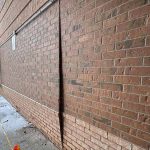
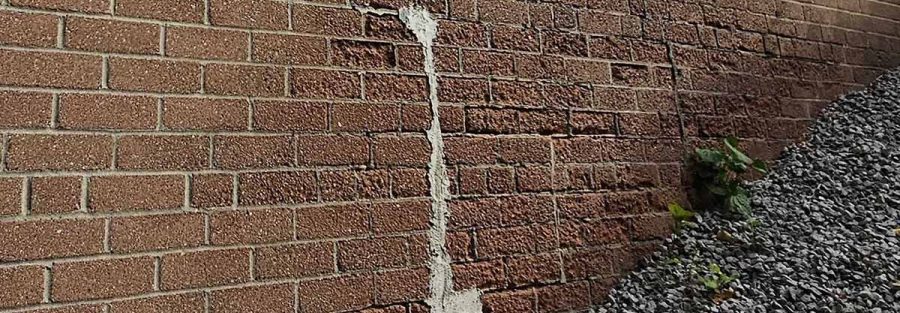
Moisture infiltration is the most common byproduct of envelope deficiency. Once water bypasses the exterior cladding, it interacts with structural materials in ways that are often not visible from the surface. In reinforced concrete, this leads to chloride-induced corrosion and spalling; in steel framing, it results in section loss; and in timber, it facilitates biological decay.
A thorough assessment must look beyond the surface aesthetics of a facade to evaluate how environmental exposure is affecting the load-bearing elements within. Identifying these patterns early is the difference between a localized repair and a major structural intervention.
Diagnostic Evaluation of Concealed Deterioration
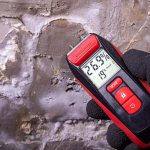
Because many of these interactions occur within wall assemblies or floor-to-wall intersections, visual observation alone is rarely sufficient. Determining the extent of structural impact requires a systematic approach to identifying moisture paths and material degradation behind the finished surface.
Structural durability is inextricably linked to the performance of the building envelope.
Integrating Envelope Performance into Structural Strategy
Engineering recommendations for remedial work must account for the root cause of deterioration. Patching a structural defect without addressing the envelope failure that caused it is a temporary measure at best. A holistic engineering strategy ensures that repairs are protected from the same environmental stressors that led to the initial distress.
By evaluating the envelope and the structure as an integrated system, engineers can provide more accurate failure evaluations. This perspective allows for the development of remedial solutions that address both the structural symptom and the environmental cause, ensuring the long-term stability of the asset.