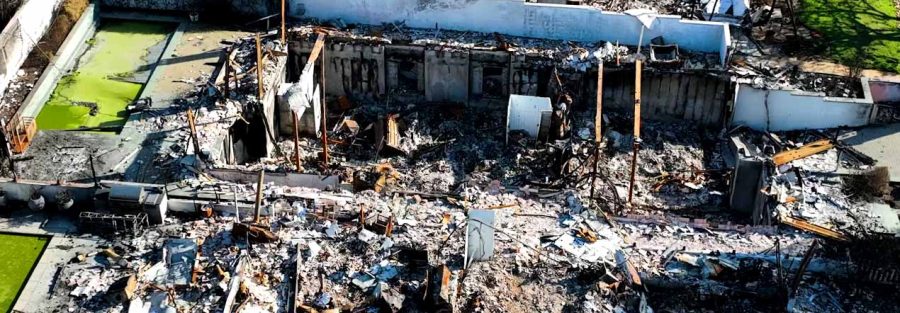
In the aftermath of a structure fire, the integrity of concrete foundation walls is often a primary concern for property owners and insurers. While concrete is non-combustible, extreme thermal exposure can significantly alter its chemical composition and mechanical properties. Forensic documentation in these cases is vital to determine whether the foundation remains structurally viable or requires specialized remediation.
Effective assessment moves beyond surface aesthetics to understand the depth of thermal penetration and the residual capacity of the concrete and reinforcing steel. Well-prepared documentation provides a reliable record of these conditions at the time of assessment.
Documenting Thermal Effects and Material Degradation
Accurate documentation begins with identifying physical markers of heat exposure. Investigators must record color changes—such as pink or red hues indicating exposure to temperatures above 300°C—and surface crazing. A critical observation is spalling, where the concrete surface breaks away due to internal steam pressure during the fire.
Photographs and sketches must be organized to show the extent of damage across different zones of the foundation. Engineering judgment is used to distinguish between superficial soot staining and structural calcination, where the cement paste has lost its binding properties. These findings must be communicated clearly to ensure they are understood by all stakeholders.
Supporting Informed Decision-Making
Forensic reports serve as the technical basis for “repair vs. replace” decisions. By separating objective observations from structural analysis, the report improves transparency and reduces the potential for misinterpretation. This is particularly important when evaluating:
- Depth of Calcination: Determining how deep the thermal damage has penetrated the wall thickness.
- Reinforcement Integrity: Assessing if the rebar was subjected to temperatures that could cause permanent loss of yield strength.
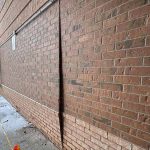
- Displacement and Cracking: Mapping structural cracks caused by differential thermal expansion.
Effective forensic reports on fire damage communicate technical findings with clarity, objectivity, and discipline.
When documentation is prepared carefully, it provides lasting value beyond the immediate assessment. It allows readers to understand not only the conclusions reached but also the reasoning behind them. This level of detail is critical to ensuring that engineering input remains reliable, defensible, and useful over time.