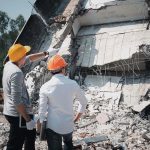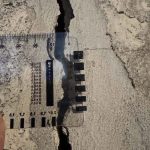
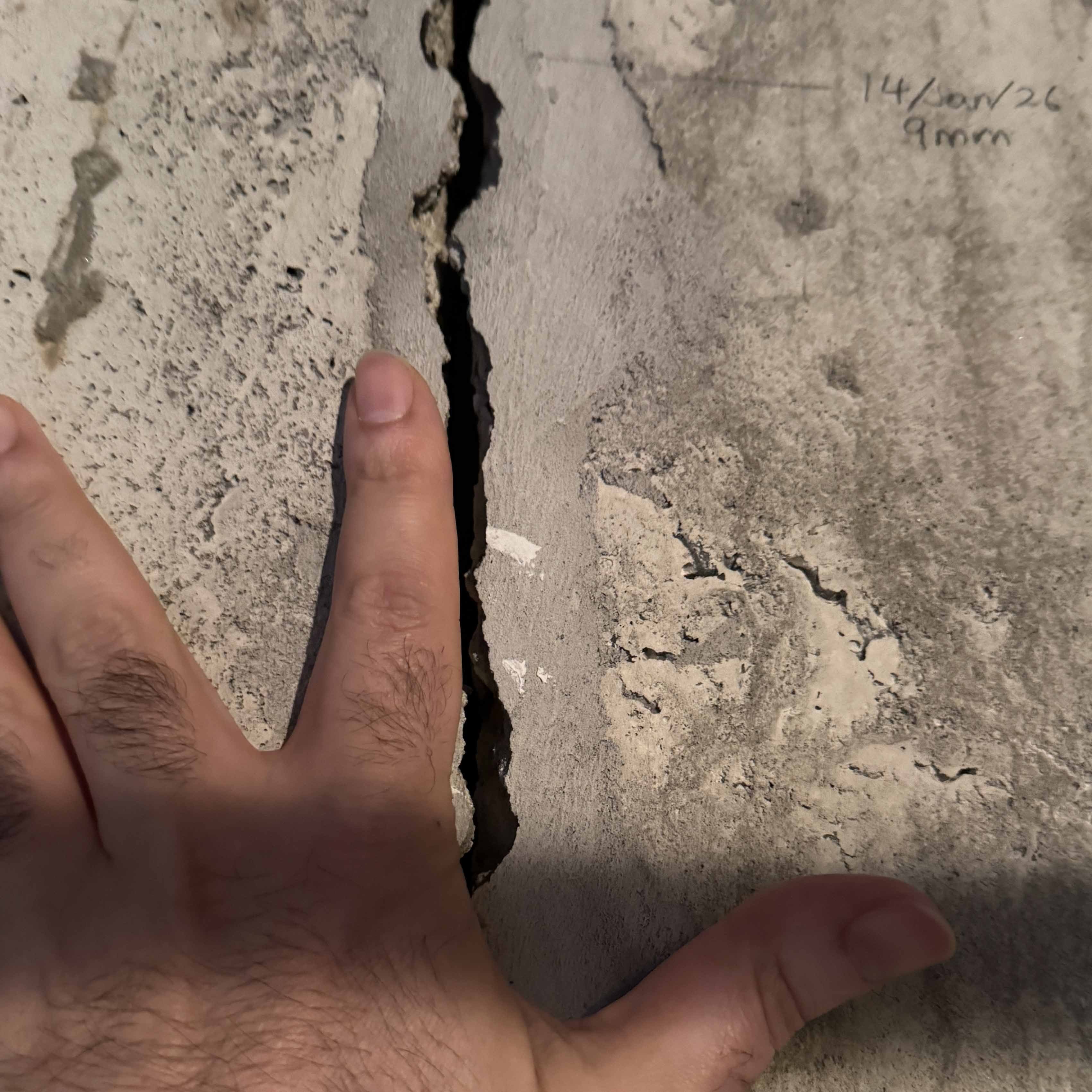
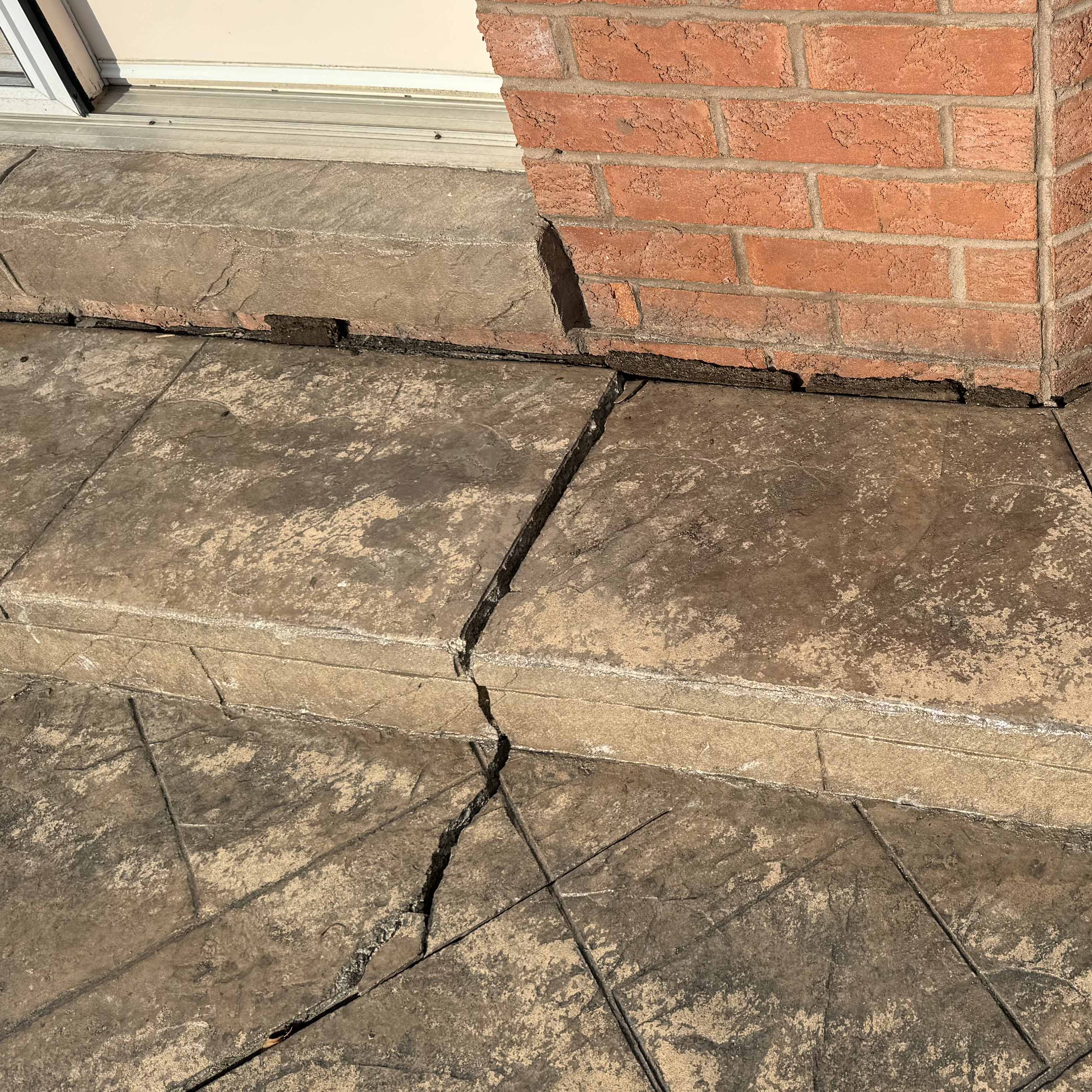
Following structural damage or failure, attention often shifts quickly toward repair. However, effective remediation begins only after the underlying causes and performance implications are understood. Without this foundation, repairs may address visible symptoms while leaving contributing issues unresolved.
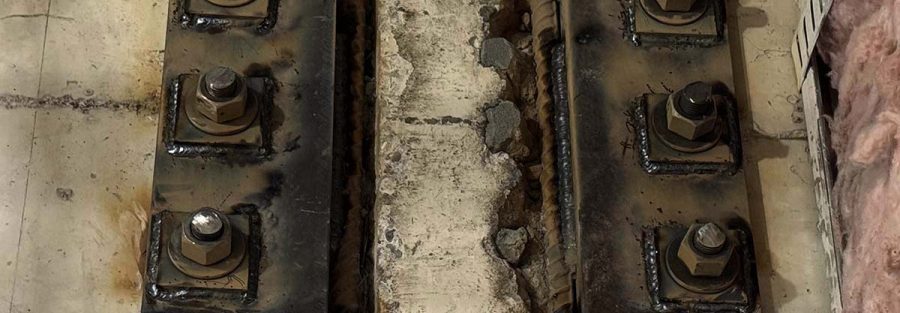
Remedial engineering focuses on restoring structural performance while accounting for existing conditions, constraints, and future use. Solutions must consider not only strength, but also stiffness, load transfer, constructability, and long-term durability. The objective is to achieve reliable performance rather than simply reinstating original appearance.
Developing Appropriate Remedial Strategies
The development of remedial strategies requires evaluation of multiple options and their implications. Repair, strengthening, modification, or partial replacement may each be appropriate depending on the extent of damage and project objectives. Engineering judgment plays a critical role in selecting solutions that balance effectiveness and practicality.
Remedial design must also account for how the structure will behave during and after construction. Temporary load paths, sequencing, and interaction with existing elements are often as important as the final condition. These considerations help reduce risk during implementation.
From Assessment to Implementation
Remedial engineering serves as the link between assessment findings and physical intervention. Clear documentation, coordinated drawings, and well-defined assumptions are essential to ensure that remedial measures are implemented as intended. Coordination with contractors and other professionals is often required to align engineering intent with construction realities.
Effective remediation addresses underlying structural behavior rather than surface-level damage alone.
When remedial work is informed by a clear understanding of structural performance, outcomes tend to be more durable and predictable. Engineering input at this stage supports informed decision-making and helps ensure that repairs achieve their intended purpose over the long term.
Post-failure remediation is not simply a corrective step, but an opportunity to restore and improve structural performance. Through thoughtful engineering design and careful implementation, damaged structures can be returned to service with confidence in their continued performance.