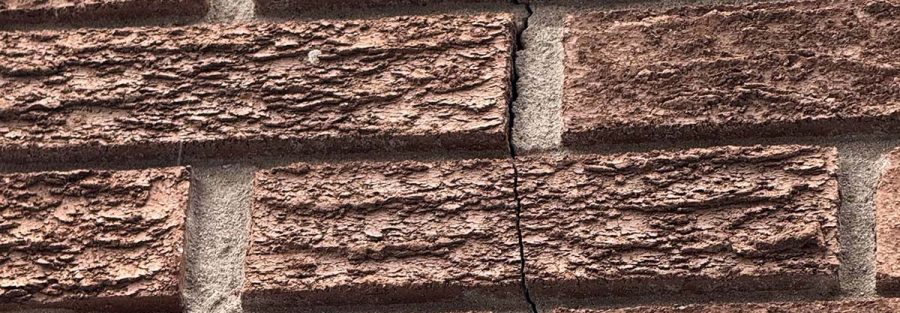
Structural issues are often noticed only once they begin to interfere with daily use. Cracks widen, floors deflect, doors stop closing properly, and concern quickly escalates into urgency. By the time many structures are reviewed, the underlying cause has often been present for years.
In practice, structural distress rarely develops without warning. Subtle indicators typically appear gradually, but they are frequently overlooked or misinterpreted. The challenge is not the absence of signs, but recognizing which ones are significant.
Recognizing Early Indicators of Structural Distress
Early indicators of structural distress often appear subtle and may be dismissed as normal aging or minor defects. Changes such as new cracking, progressive widening of existing cracks, unexpected deflections, or localized deformation can signal changes in structural behavior. When these observations are evaluated in context, considering location, orientation, and structural system, they can provide important insight into underlying performance issues.
Common Causes of Progressive Structural Issues
Progressive structural issues often result from a combination of factors rather than a single isolated cause. Material deterioration, changes in loading, construction modifications, and environmental exposure can interact over time to reduce structural capacity. Understanding how these factors combine is essential to interpreting observed distress.
Structural behavior should be evaluated based on evidence, analysis, and engineering judgment rather than assumptions.
When structural concerns are evaluated systematically, the focus shifts from speculation to understanding. By documenting observed conditions, reviewing available information, and applying engineering principles, it becomes possible to distinguish between acceptable behavior and conditions that warrant intervention.