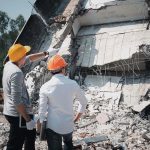

Structural damage is often discovered suddenly, following an event such as impact, fire, extreme weather, or unexpected movement. In these situations, attention is typically focused on what failed, while less emphasis is placed on understanding how the structure behaved leading up to the damage. A clear evaluation begins by stepping back and examining the overall condition of the structural system.
Damage does not always indicate complete loss of capacity or imminent collapse. In many cases, structures retain partial functionality despite visible distress. Determining whether a structure remains stable, requires restriction, or needs immediate intervention is a key objective of post-event evaluation.
Evaluating the Extent of Structural Damage
Evaluating damage involves more than documenting what is visible. Structural damage must be considered in relation to load paths, redundancy, and the role of affected elements within the overall system. Localized damage may have limited implications, while seemingly minor distress in a critical element may significantly affect performance.
A systematic approach includes identifying damaged components, assessing residual capacity, and considering whether load redistribution has occurred. This process helps distinguish between repairable damage and conditions that compromise the integrity of the structure as a whole.
Common Factors Contributing to Structural Failure
Structural failures and damage events are often the result of multiple contributing factors rather than a single cause. Design assumptions, construction modifications, material degradation, changes in use, and environmental exposure can interact over time. Understanding these interactions is essential to interpreting observed damage accurately.
Structural damage should be evaluated based on observed conditions, system behavior, and engineering analysis rather than isolated symptoms.
By documenting damage carefully and evaluating it within the context of the structural system, engineering assessments move beyond surface observations. This approach supports informed decisions regarding safety, further investigation, stabilization, or remediation, based on technical understanding rather than assumption.
Failure and damage evaluation provides the technical foundation for next steps. Whether the outcome involves monitoring, repair, or more extensive remediation, clarity at this stage is essential. Objective assessment helps ensure that responses are proportionate, effective, and aligned with the actual condition of the structure.